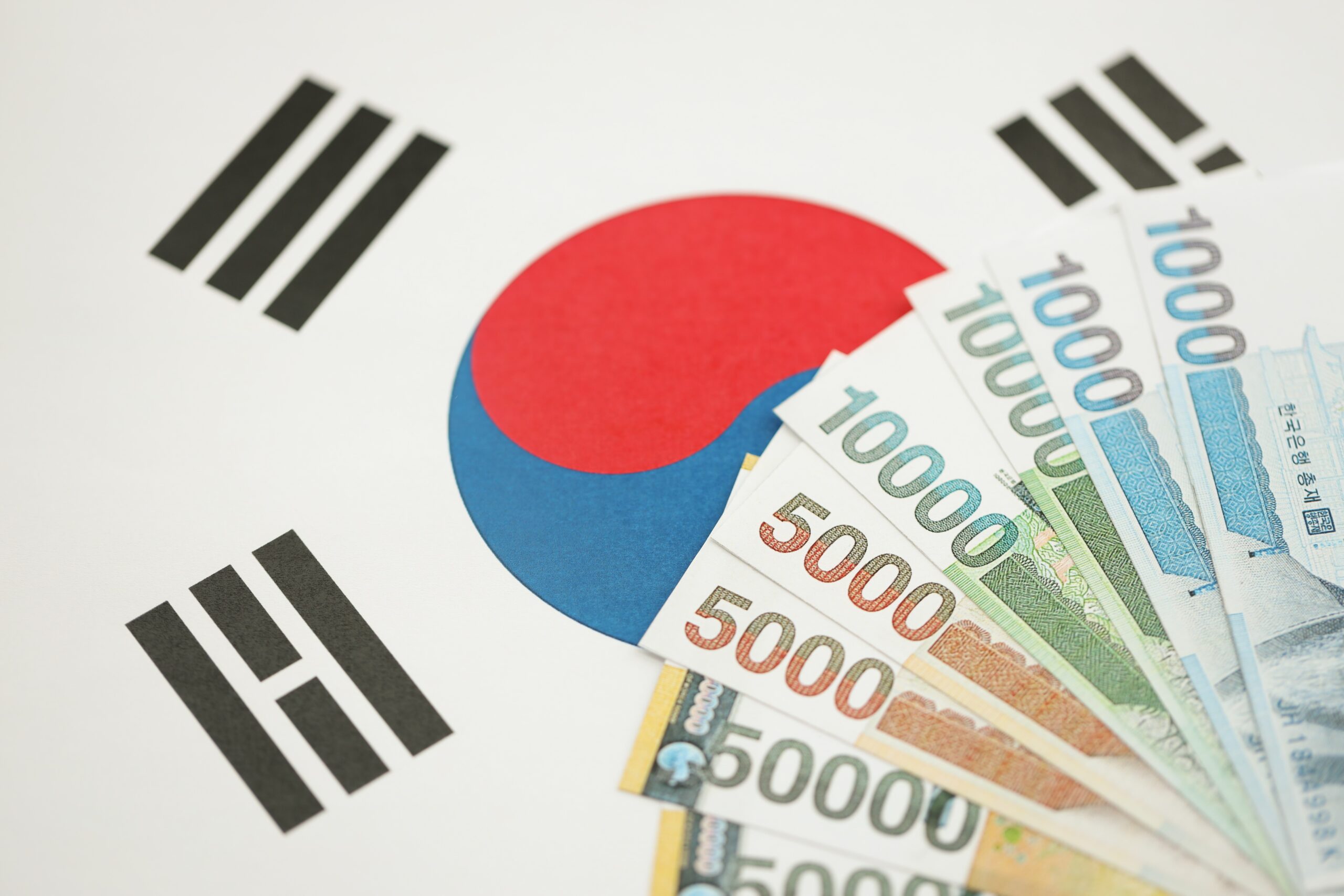
For years, South Korean investors looking for growth increasingly turned their attention overseas, pouring money into U.S. technology giants and global exchange-traded funds while largely abandoning the domestic stock market.
This year, they are coming back.
The return of trading activity to South Korea’s local equity market has delivered an unexpected windfall for the country’s securities firms, which posted record first-quarter earnings as commission income surged alongside a sharp increase in domestic stock transactions.
According to data released by the Financial Supervisory Service, South Korea’s 61 brokerage firms reported combined net profits of 4.33 trillion won ($3.14 billion) in the first quarter of 2026, up 77.1% from a year earlier and more than double the previous quarter’s 1.86 trillion won.
The result marked the strongest quarterly performance in the industry’s history.
At the center of the earnings boom was a dramatic rise in brokerage commissions tied to domestic stock trading. Total commission revenue nearly doubled from a year earlier to 6.69 trillion won, while brokerage fees alone jumped 165.8% to 4.30 trillion won.
Domestic equity turnover—including transactions conducted through South Korea’s alternative trading system—reached 2,775 trillion won during the quarter, more than quadrupling from the same period a year ago.
The resurgence reflects a notable shift in investor behavior.
In recent years, South Korean retail investors embraced overseas markets in search of higher returns, particularly in the United States, where companies linked to artificial intelligence and large-cap technology generated outsized gains.
However, rising currency volatility and concerns about elevated valuations in overseas markets have begun altering that calculus.
A weaker Korean won increased the cost of investing abroad, while renewed optimism surrounding South Korea’s equity market encouraged investors to redirect capital closer to home.
The result has been a revival of domestic trading activity that few industry participants anticipated at the start of the year.
Asset-management businesses also benefited from the changing investment landscape. Fees generated from mutual funds and discretionary investment services climbed 89.4% to 672.1 billion won as investors sought professional guidance amid increasingly volatile market conditions.
Not all business segments participated equally in the rally.
Investment-banking revenue remained largely unchanged, while derivatives-related earnings declined amid heightened market volatility. Bond-related profits also weakened as rising interest rates weighed on fixed-income valuations.
Yet those headwinds were insufficient to offset the powerful earnings boost generated by equity-market activity.
The industry’s balance sheets expanded accordingly. Total assets held by South Korea’s brokerage firms rose 16.3% from the end of last year to 1,098 trillion won, surpassing the 1 quadrillion won threshold for the first time.
The strong results arrive at a time of growing uncertainty in global financial markets.
Geopolitical tensions in the Middle East, fluctuating exchange rates and expectations for prolonged high interest rates continue to challenge investors worldwide. But for South Korea’s brokerage industry, those same uncertainties may have helped create a favorable environment by encouraging investors to focus more heavily on familiar domestic opportunities.
Whether the trend proves durable remains uncertain.
[[[[[[
If overseas markets regain momentum or the Korean won strengthens significantly, investors may once again shift assets abroad. For now, however, South Korea’s securities firms are enjoying the benefits of a homecoming trade.
After years of watching domestic investors chase opportunities overseas, the country’s brokerage industry has discovered that some of its strongest profits can emerge when South Koreans decide that the best investment opportunities may once again be found at home.