
The Samsung familyclimbed to third place among Asia’s richest families in 2026, as a surge in artificial-intelligence spending turbocharged semiconductor-linked wealth and reshaped the region’s fortunes.
The family’s net worth rose to $45.5 billion, nearly doubling from $22.7 billion a year earlier, reflecting the sharp upswing in global demand for advanced chips used in AI systems.
India’s Ambani familyretained the top spot for a second consecutive year with $89.7 billion, supported by holdings in Reliance Industries and Jio Financial Services. Hong Kong’s Kwok family, which controls Sun Hung Kai Properties, ranked second with $50.2 billion.
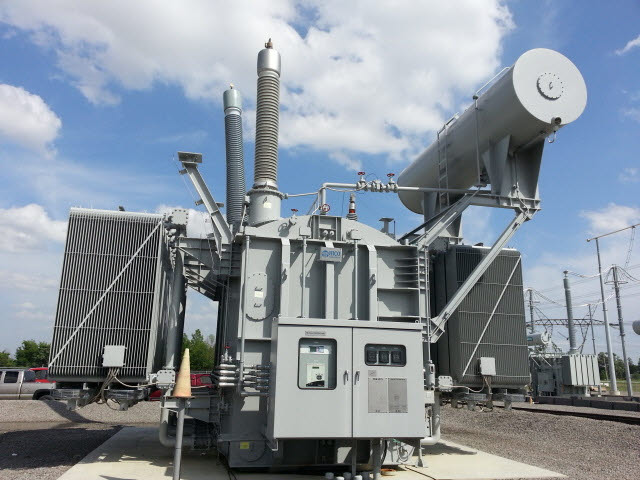
The Samsung family’s ascent underscores the growing role of semiconductor companies in wealth creation, as AI-driven demand ripples through supply chains spanning chips, materials and industrial infrastructure.
South Korea’s Hyundai familyre-entered the ranking at No. 16 after a three-year absence, highlighting a broader revival among industrial conglomerates tied to next-generation technologies.
By country, India and Hong Kong each accounted for five of the top 20 families, followed by Thailand with three. South Korea placed two families on the list, while China, Taiwan, Indonesia, Malaysia and Singapore each had one.
Analysts say much of the recent wealth expansion has been driven by AI-related demand, particularly in semiconductors, materials and supporting infrastructure. Even as concerns about a potential AI bubble mount, capital tied to foundational components continues to expand rapidly.
Rather than building end-user AI systems, many of Asia’s richest families are profiting by supplying the underlying hardware and industrial inputs that power them—a dynamic that has amplified returns across traditional manufacturing sectors.
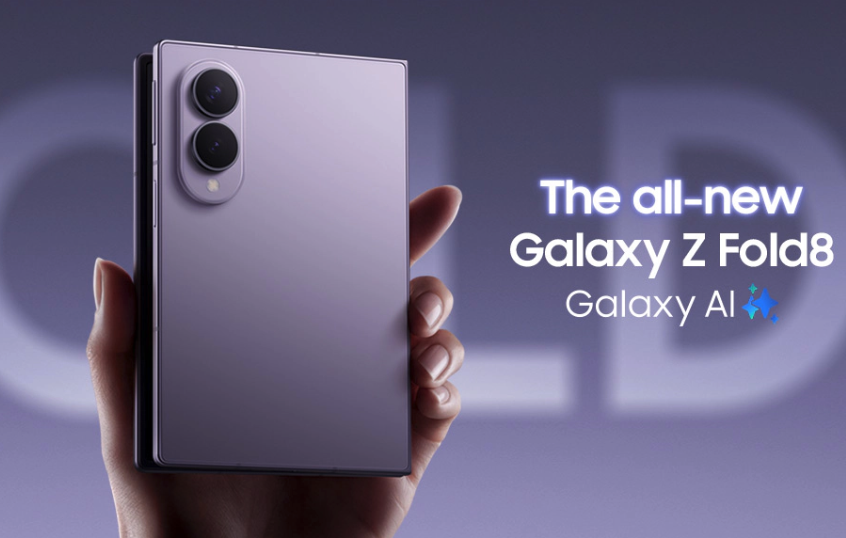
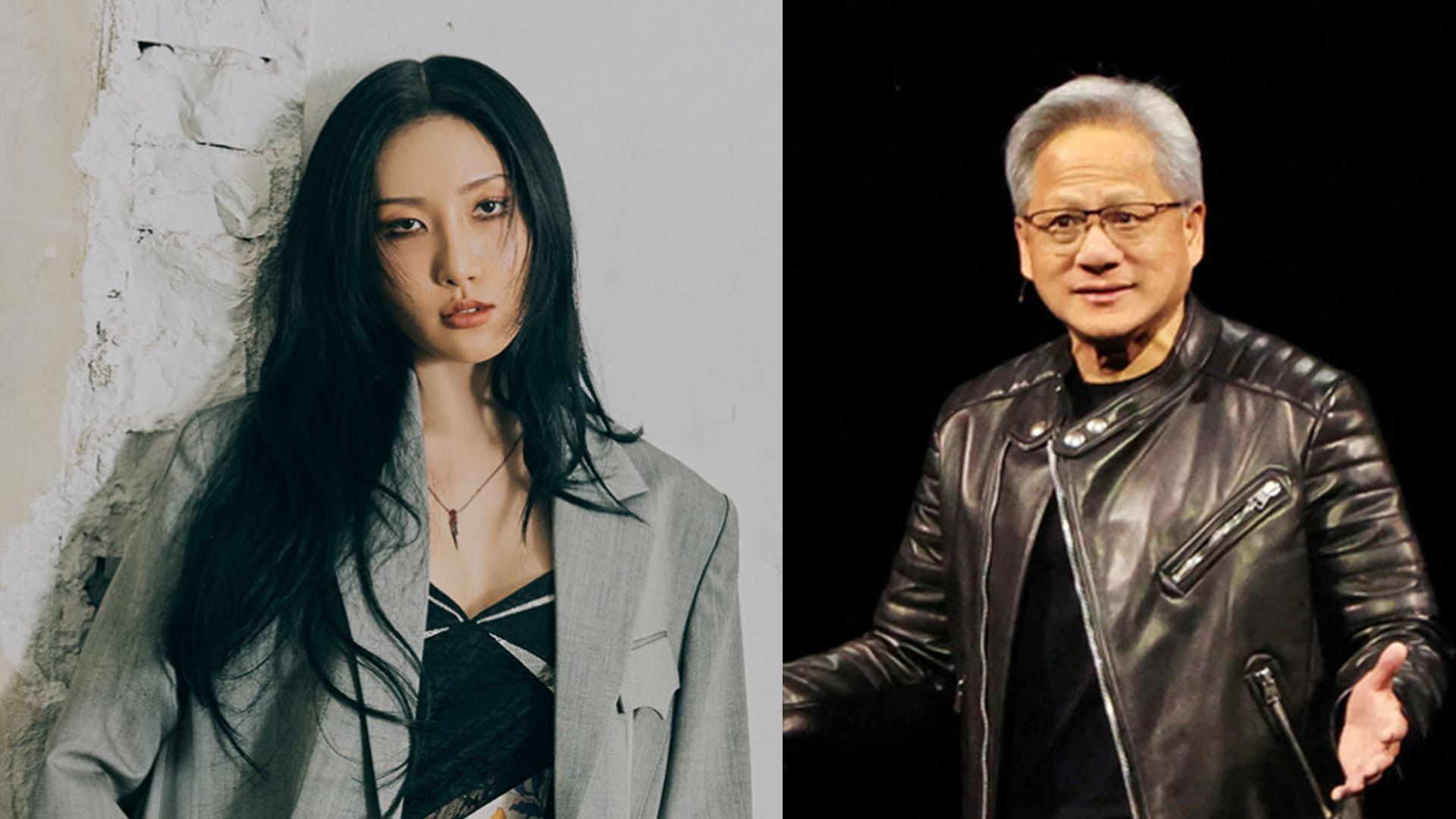
Lee Jae-yonghas pushed Samsung deeper into AI and robotics, part of a broader strategy to position the group at the center of the next technology cycle. His meetings last year with Sam Altmanand Jensen Huangduring their visits to South Korea underscored the company’s ambitions.
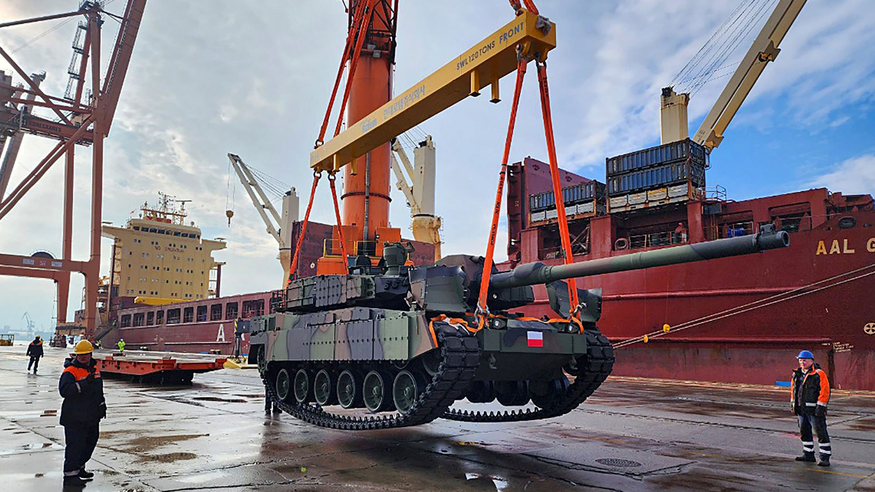
At the same time, Hyundai Motor Grouphas stepped up investments, outlining plans to spend about $6.7 billion on AI data centers, robotics facilities and hydrogen plants.
The Ambani familyhas also moved aggressively, announcing plans to invest $120 billion over seven years in AI-related infrastructure—one of the largest commitments in the sector.
Among the biggest beneficiaries of the boom is China’s Zhang family, whose fortune surged as demand for aluminum—used in servers, data centers, electric vehicles and renewable energy systems—drove shares of Hongqiao Group sharply higher.
The combined wealth of Asia’s richest families rose about 16% over the past year, marking the largest annual increase since such rankings began in 2019, despite heightened volatility in global markets amid geopolitical tensions.
Analysts say the trend reflects a broader shift toward economic nationalism, with governments seeking to localize data centers and manufacturing capacity—positioning industrial families at the center of the AI economy’s next phase.