
Hyundai Motor said March 31 it will rebuild major portions of its Ulsan manufacturing complex, marking the first large-scale overhaul of the facility in more than six decades as it modernizes production and advances its electric-vehicle strategy.
The company recently informed its labor union of plans to fully reconstruct Ulsan Plant 1 and Line 2 of Plant 4. Once construction begins, the existing facilities will be completely demolished and replaced with new structures.
Line 2 of Plant 4, the oldest production line at the complex, has been in operation since 1968 and will undergo its first full reconstruction.
The start date for construction has yet to be determined, and a detailed schedule will be established in phases.
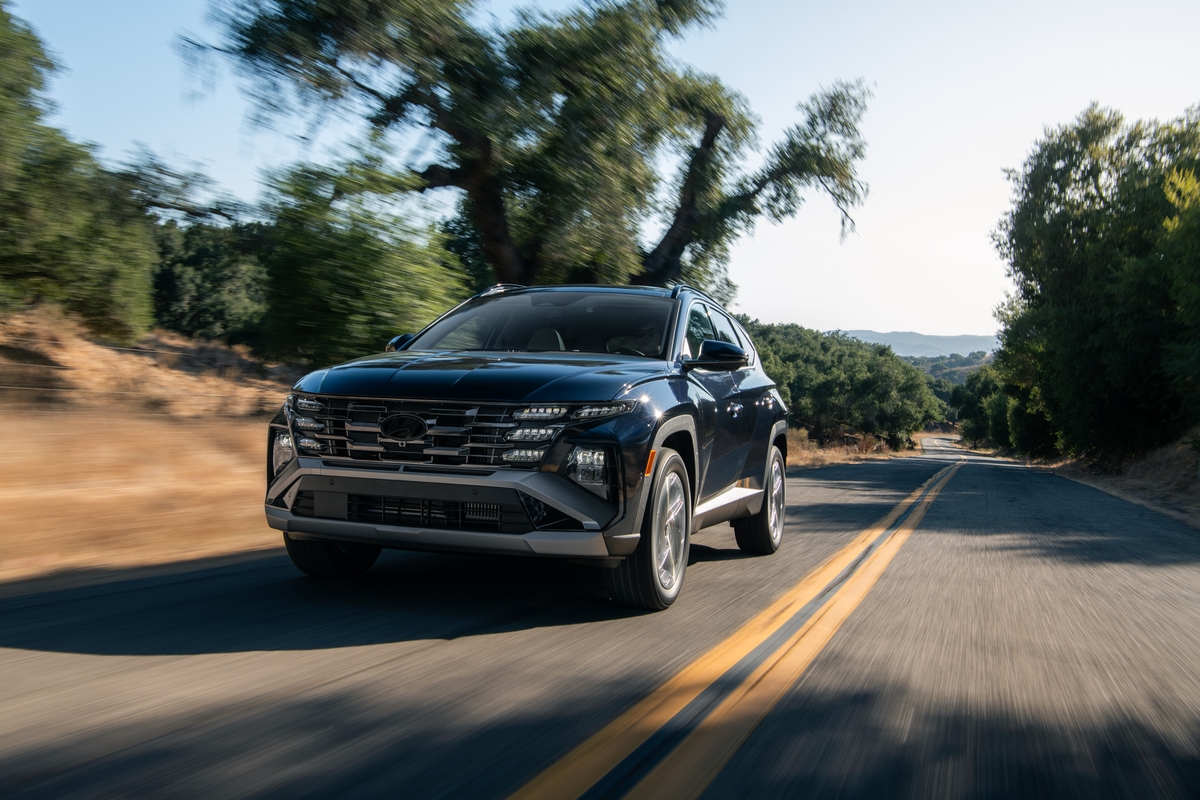
During the rebuilding process, production from Plant 1—currently manufacturing models such as the Ioniq 5 and Kona—and from Plant 4 Line 2, which produces light commercial vehicles including the Porter, is expected to be shifted to other plants.
The project is part of a 2022 labor agreement under which Hyundai and its union agreed to build South Korea’s first dedicated electric-vehicle plant and gradually rebuild aging domestic facilities as part of a broader production realignment.
The upgraded plants are expected to incorporate advanced manufacturing systems, improving efficiency and supporting next-generation vehicle production.
Hyundai’s Ulsan complex is the world’s largest single automotive manufacturing site, with the capacity to produce about 6,000 vehicles per day, or roughly 456,000 vehicles annually.