As artificial intelligence workloads push cloud costs higher and expose constraints in computing capacity, attention in the U.S. technology market is increasingly shifting away from applications and toward the infrastructure that supports them. That shift helps explain why Cast AI, a U.S.-based cloud optimization startup, has drawn strategic investment from Shinsegae Group, one of Asia’s largest retail operators.
The investment was made through Pacific Alliance Ventures, Shinsegae’s U.S.-based corporate venture capital arm, following Cast AI’s launch of Omni Compute, a platform that combines automated cloud optimization with a GPU marketplace. The funding pushed Cast AI’s valuation above $1 billion, placing it among a growing group of AI infrastructure unicorns emerging in the U.S. market.
For Shinsegae, whose overseas expansion has historically focused on retail assets and consumer-facing businesses, the deal marks a notable shift. Rather than investing in applications or digital services, the group is moving deeper into the infrastructure layer that determines how AI systems are deployed, scaled and priced.
Since establishing Pacific Alliance Ventures in 2024 under its U.S. retail subsidiary PK Retail Holdings, Shinsegae initially targeted investments tied to grocery and consumer supply chains. More recently, that scope has expanded toward data, cloud and AI infrastructure, reflecting how competitiveness in modern retail is increasingly shaped by backend systems rather than storefront technology.
The partnership is intended to be operational as well as strategic. Shinsegae plans to integrate Cast AI’s cloud optimization technology across its internal IT and logistics operations, including AI-based demand forecasting, smart retail platforms and warehouse automation overseen by its technology affiliate. By automating how computing resources are allocated across cloud providers and regions, the group expects to lower operating costs while improving system stability as AI workloads grow.
Industry observers view the investment less as a short-term financial bet than as a response to a structural constraint now facing companies across sectors. As AI moves from experimentation into core operations, infrastructure costs and GPU availability have emerged as limiting factors. Firms that can manage those resources efficiently are gaining strategic leverage.
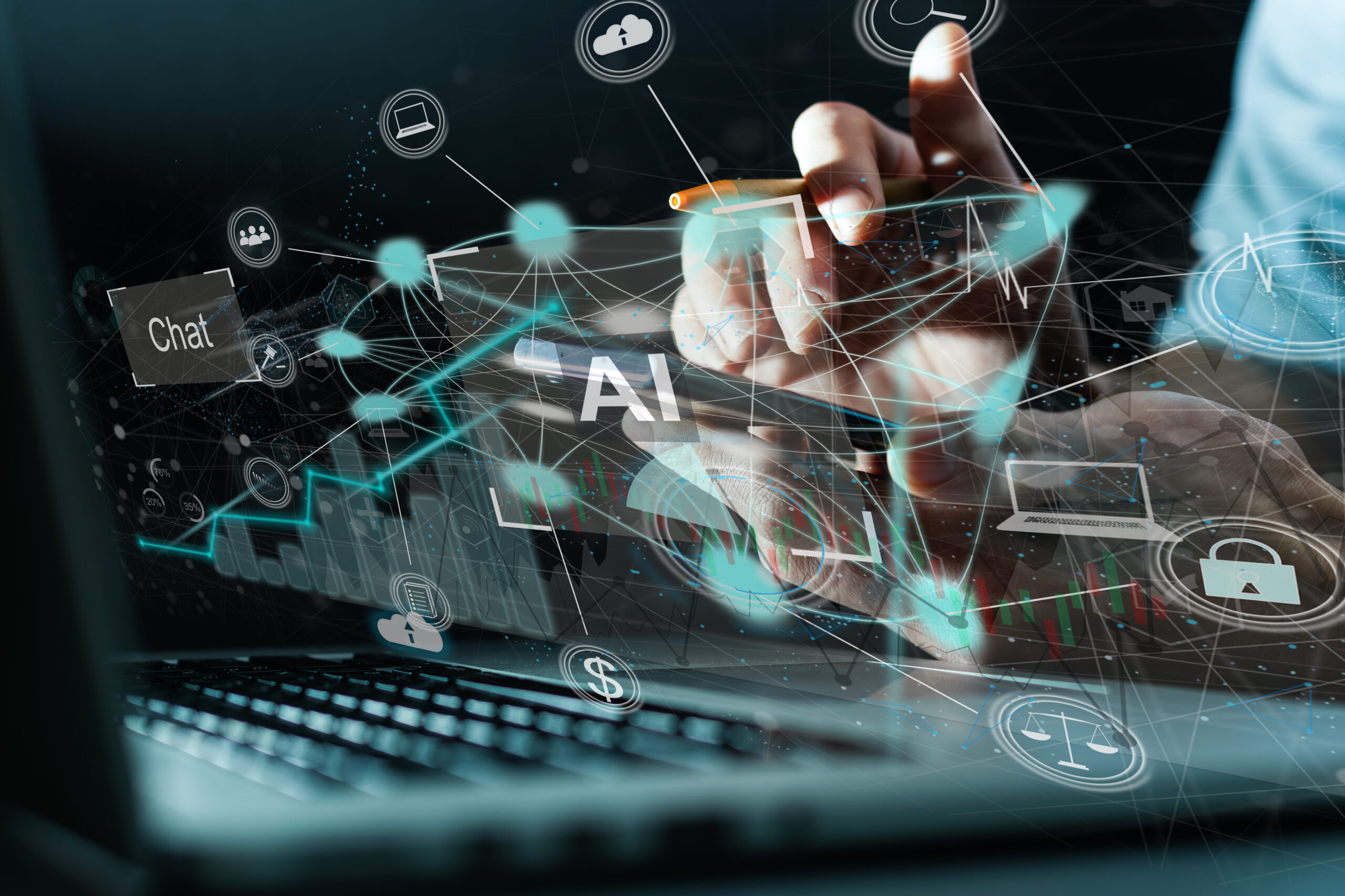
Cast AI positions itself at that pressure point. Its platform uses machine learning to analyze cloud clusters in real time and automatically optimize workloads, enabling enterprises to shift compute capacity dynamically rather than remain locked into specific vendors or regions. Omni Compute is built around the idea that GPUs should function as flexible, general-purpose resources at the infrastructure level.
The deal reflects a broader change in how non-U.S. industrial groups are approaching artificial intelligence. Instead of relying solely on software tools or service providers, they are seeking direct exposure to the infrastructure technologies that will shape how AI is operated globally.
As AI infrastructure becomes a strategic asset rather than a technical detail, investments like Shinsegae’s suggest that competition is increasingly moving beneath the application layer, into the systems that quietly determine who can afford to run AI at scale and who cannot.