
As Netflix continues to produce international hits that travel instantly across borders, one of the company’s most persistent challenges has resurfaced in China, where the platform does not officially operate but its content remains widely accessible.
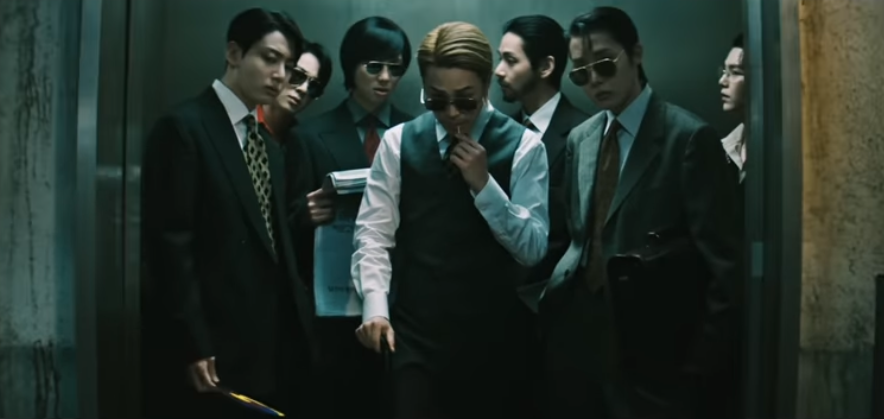
The second season of Black and White Chef: Culinary Class War, a Korean cooking competition series, has become the latest example. Despite the lack of licensed distribution, the show has already appeared on informal channels inside China. On Douban, the country’s largest content review site, users have posted dozens of reviews and hundreds of star ratings for the unreleased season, a familiar signal of unauthorized viewing.
The episode has drawn attention not because it is unusual, but because it fits a long-standing pattern. Some of Netflix’s biggest global successes, including Squid Game, The Glory, and Physical: 100, were all widely consumed, discussed, and rated in China despite never being officially released there. In each case, cultural popularity preceded any meaningful ability to control distribution.
The issue has gone beyond viewing alone. In past cases, hit formats have been followed by locally produced programs that closely resemble their structure and presentation. Netflix has repeatedly said it has not licensed its shows or formats for China, underscoring concerns within the global entertainment industry about how intellectual property functions in markets where enforcement remains limited.
For U.S. studios, the implications are particularly acute in unscripted television, where formats themselves are core assets. Successful concepts are designed to be sold, adapted, and monetized internationally through contracts that underpin the economics of the business. When those formats are freely consumed or replicated without authorization, the licensing model begins to fracture.
Seo Kyung-duk, a South Korean academic who has frequently criticized unauthorized use of cultural content, has described the situation as one in which illegal consumption has become normalized. His comments have been cited less as moral criticism than as an acknowledgment of a market environment that offers rights holders few practical remedies.
For Netflix and other American streaming companies, the repeated appearance of their most successful titles in China without authorization highlights a structural imbalance in the global streaming economy. Content now moves instantly and globally, while copyright enforcement remains fragmented, national, and uneven.
As streaming platforms increasingly depend on international hits for growth, the gap between global reach and global protection has become harder to ignore. The controversy surrounding Black and White Chef is not an exception, but another reminder that worldwide popularity often arrives faster than the systems designed to protect it.
이거 영문으로 SEO