Samsung Electronics, one of the world’s largest semiconductor makers and the leading producer of memory chips, is stepping up efforts to expand its U.S. contract manufacturing business as American technology companies look for additional partners beyond Taiwan Semiconductor Manufacturing Company.
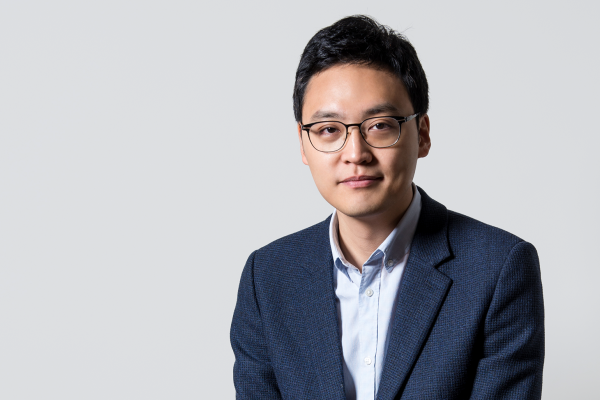
The South Korean conglomerate’s chairman, Lee Jae-yong, recently returned from a trip to the United States after meeting with senior executives from Tesla and Advanced Micro Devices, according to industry sources. The discussions centered on advanced artificial intelligence chips and the growing role of Samsung’s U.S. manufacturing base in securing long-term supply.
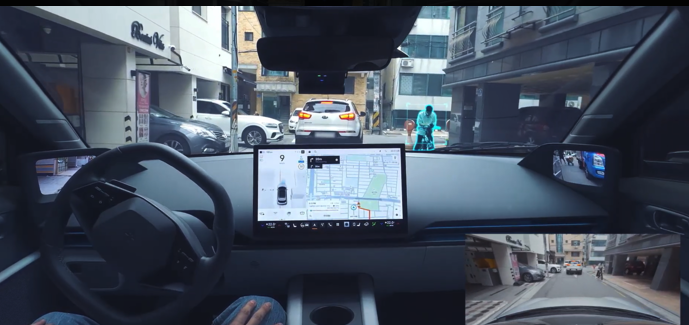
Samsung and Tesla are already linked through a major foundry agreement signed in July, valued at $15 billion, under which Samsung will manufacture Tesla’s next-generation AI6 chip at its Taylor, Texas, plant. The chip is expected to play a key role in Tesla’s Full Self-Driving system as well as its robotics and AI model development, underscoring Tesla’s increasing reliance on custom-designed semiconductors.
The partnership reflects Samsung’s broader push to strengthen its foundry business, where it competes with industry leader TSMC in producing logic chips designed by customers. While Samsung dominates the global memory market, expanding its foundry customer base is central to its strategy to diversify revenue and gain share in advanced chip manufacturing.
Samsung is currently producing Tesla’s AI4 chip and has recently secured part of the production volume for AI5, which had initially been assigned to TSMC. Industry observers expect both AI5 and AI6 to be manufactured at Samsung’s Texas facility, highlighting the plant’s growing importance as U.S. tech companies seek geographically diversified production.
Tesla Chief Executive Elon Musk has publicly acknowledged the cooperation, saying Samsung agreed to allow Tesla to help maximize manufacturing efficiency. Musk said he would personally visit the production line to accelerate progress, signaling an unusually close level of collaboration between a chipmaker and its customer.
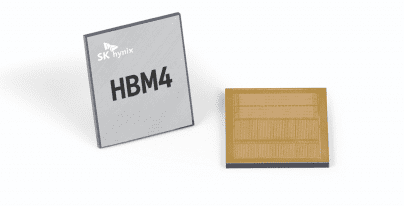
Samsung’s U.S. outreach also included talks with AMD, often seen as Nvidia’s closest rival in high-performance computing and AI processors. Samsung already supplies AMD with HBM3E high-bandwidth memory, a critical component for AI accelerators, and the two companies are reportedly discussing plans to manufacture AMD’s next-generation central processing units using Samsung’s second-generation 2-nanometer process.
For Samsung, deeper ties with Tesla and AMD would strengthen its position as a viable alternative foundry partner for U.S. chip designers. For American customers, Samsung’s Texas operations offer access to advanced manufacturing capacity on U.S. soil at a time when supply chain resilience and domestic production have become strategic priorities.