
South Korea is easing restrictions on travelers carrying weight-loss medicines purchased abroad under rules taking effect on Nov. 12, 2026, potentially making international price differences more consequential for demand for Eli Lilly’s Mounjaro and Novo Nordisk’s Wegovy.
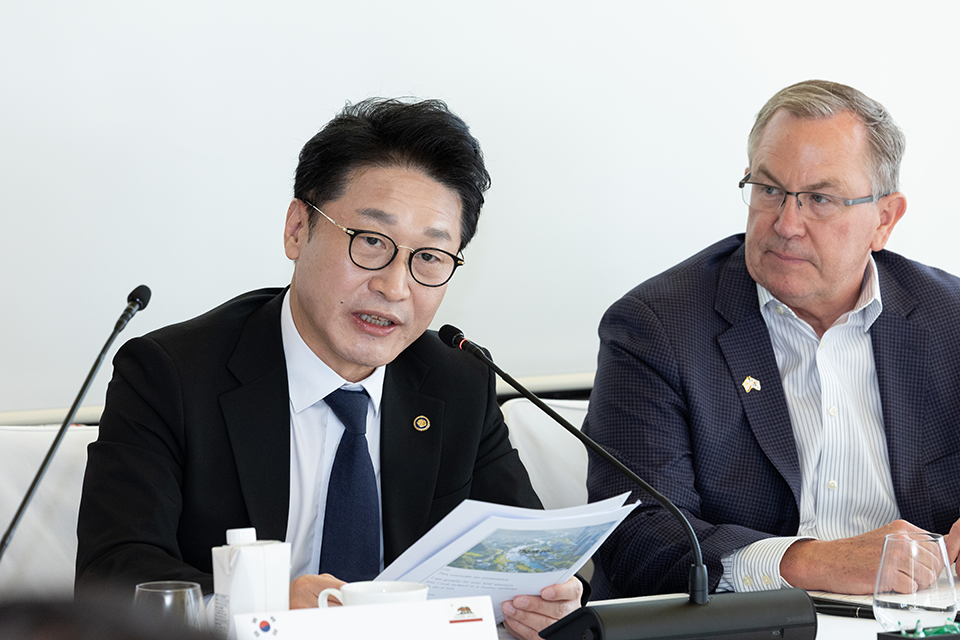
The Ministry of Food and Drug Safety announced the change on Nov. 11 after consultations with the Korea Customs Service. The policy allows travelers to bring legitimately prescribed or purchased medicines into the country for their own treatment, addressing complaints that even properly obtained drugs were being held at customs.
The change could encourage Korean patients to seek treatment in lower-priced overseas markets. It also removes a customs obstacle for people returning with medicines they were already using, including GLP-1 drugs whose entry had effectively been restricted.
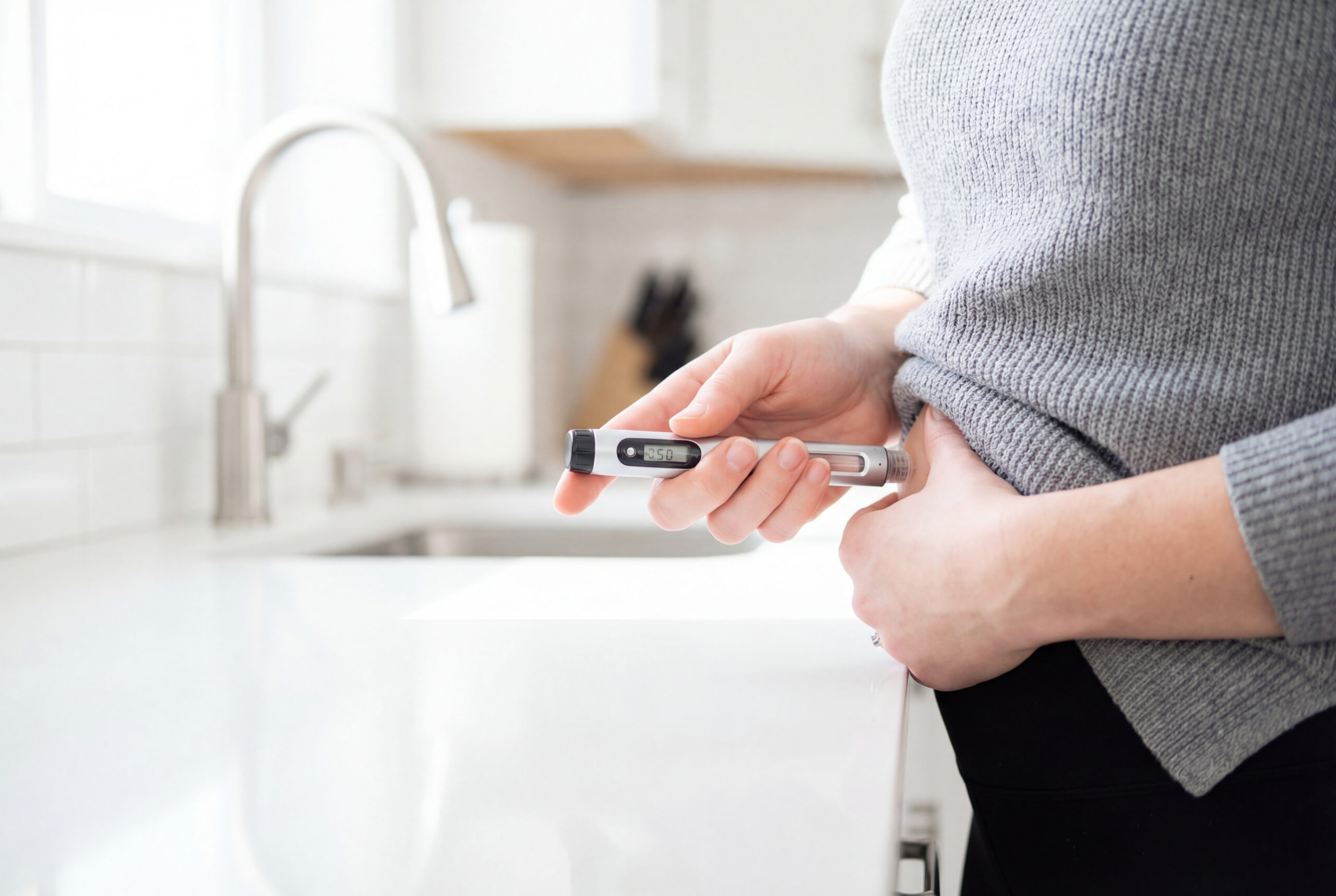
The general allowance is six bottles. Quantities exceeding that limit are permitted when they remain within a three-month supply under the medicine’s dosing instructions. For a once-weekly, single-use GLP-1 injection, the government’s guidance gives 12 injections as an example of a three-month supply.
Eligible products must be formally authorized by the relevant country’s drug regulator and obtained through its legitimate healthcare system. The policy covers residents bringing back medicines they took abroad, foreign nationals and students arriving with ongoing treatments, and travelers returning with drugs prescribed and purchased during an overseas trip.
The relaxation applies to medicines carried personally across the border. It doesn’t authorize overseas online purchases shipped to South Korea.
An MFDS official said travelers wouldn’t be required to prepare additional documents specifically to establish that their products were legitimate. Customs authorities would assess the medicines when they entered the country.
Previously, the ministry provided customs authorities with lists of medicines subject to import restrictions, which could result in clearance being withheld even when travelers had obtained the products through legitimate prescriptions. The revised approach distinguishes personal treatment supplies from purchases that remain outside the permitted channels.
Controlled narcotic and psychotropic medicines aren’t covered by the relaxation and remain subject to separate restrictions.
The ministry cited certain formulations of Japan’s Eve painkillers as products that remain excluded. They contain allylisopropylacetylurea, a sedating ingredient regulated in South Korea. The example illustrates why a medicine’s availability at an overseas pharmacy doesn’t automatically establish that it can be brought into the country.
For the obesity-drug market, the immediate question is whether easier customs clearance will encourage more patients to travel for prescriptions.
Korean consumers have already discussed purchasing Mounjaro in Japan at lower prices than those available at home. The practice has acquired the nickname “sushijaro,” combining sushi with the drug’s brand name.
The new policy could make those trips more attractive by reducing uncertainty over bringing legitimately purchased treatment supplies home. It leaves the distinction between personal carriage and overseas delivery intact, however, limiting the opening to travelers who obtain their medicines through authorized channels.