South Koreans are moving money through their bank accounts at the fastest pace in 26 years, as a powerful stock-market rally gives households more reason to chase returns in equities rather than leave cash sitting in deposits.
The country’s bank deposit turnover ratio rose to 4.9 times in the second quarter, the highest quarterly level since 2000, according to the Bank of Korea. The figure was nearly 30% higher than a year earlier and marked the fourth straight quarterly increase.
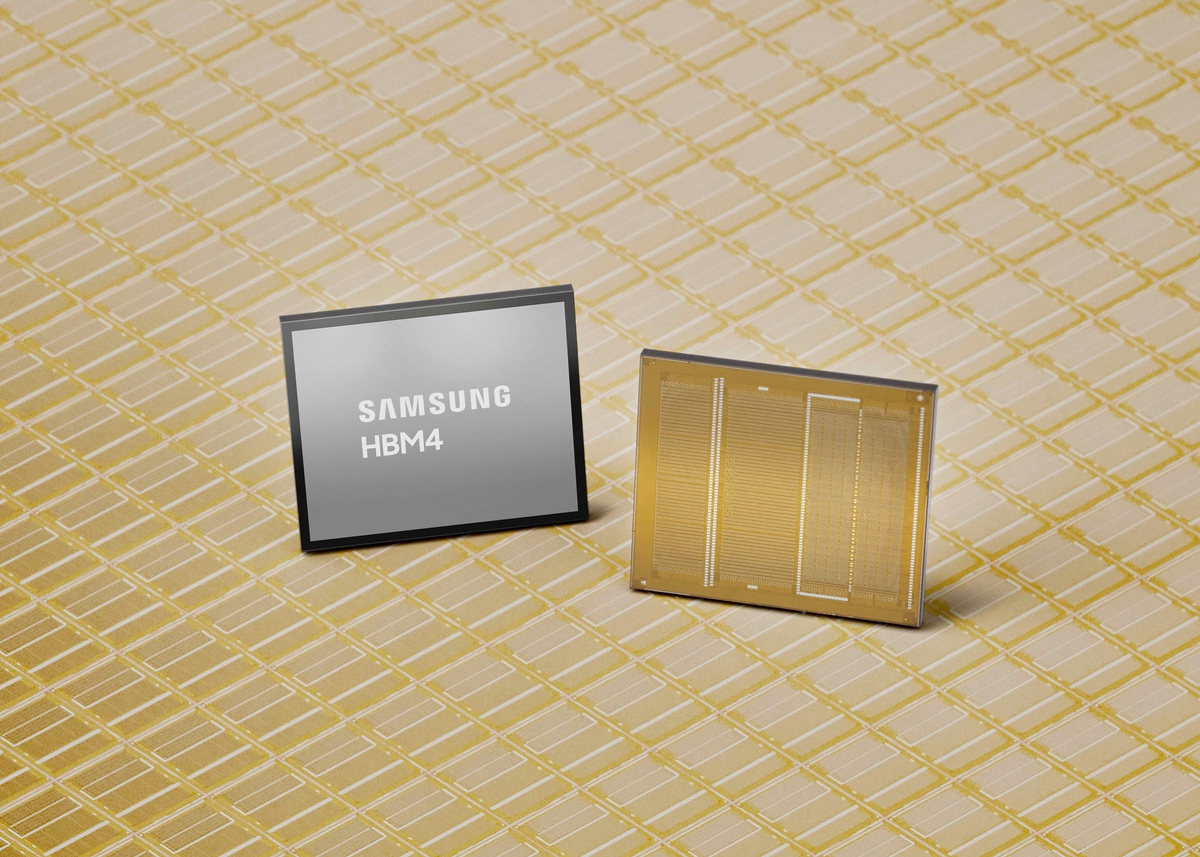
The shift matters beyond South Korea because the rally is closely tied to the global artificial-intelligence investment boom. Samsung Electronics, South Korea’s largest electronics company and a major memory-chip producer, and SK hynix, a South Korean semiconductor company that is one of the world’s leading suppliers of high-bandwidth memory used in AI systems, have helped put the country’s stock market at the center of the semiconductor trade. As chip shares climbed, more Korean households began moving money between bank and brokerage accounts in search of higher returns.
That behavior is changing how cash moves through the financial system. The deposit turnover ratio measures the amount withdrawn from bank accounts relative to the average balance held during the same period. A higher number means money is being moved and used more frequently rather than remaining parked in deposits.
South Korea’s turnover ratio had spent roughly two decades mostly between three and four times after falling from much higher levels in the 1990s. It climbed from 3.8 times in the second quarter of last year to 4.1 in the third quarter, 4.2 in the fourth quarter and 4.5 in the first quarter before reaching 4.9 in the latest period.
The strongest increase came from accounts that allow money to be withdrawn immediately. The turnover ratio for demand deposits jumped 32.7% from a year earlier to 22.7 times, the highest level in about a decade.
Ordinary deposits used by both individuals and businesses also moved more rapidly, with their turnover ratio rising 30.9% to 12.3 times. Even savings deposits, which include fixed-term deposits and installment savings accounts, reached a turnover ratio of 1.6 times, the highest since the Bank of Korea began compiling the data in 1985.
A strong Kospi during the first half of the year has been one of the main forces behind the shift. Investment money has increasingly moved back and forth between bank accounts and securities accounts as households seek to participate in the rally. Expectations that interest rates could rise have also made some savers reluctant to lock their money into longer-term deposits.
Corporate money is moving faster as well.
Large exporters, particularly semiconductor companies, have been drawing on cash more frequently for purchases, capital investment and hiring. The turnover ratio for corporate checking accounts rose 23.5% to 702.6 times in the second quarter, the highest level since 2016.
A commercial-banking executive in South Korea said major semiconductor companies have been placing trillions of won in short-term deposits across several banks and withdrawing those funds early when they need to put surplus cash to work.
The important point is that South Korea is not running out of deposits. The opposite is happening.
Average bank deposits rose 6.1% from a year earlier to about $1.6 trillion in the second quarter. Corporate free deposits, which companies often use to temporarily hold excess cash, increased 21.1% to a record $250 billion.
That means more money is sitting inside the banking system, but it is staying still for less time. Households are moving savings toward the stock market, while companies are cycling cash more quickly between short-term deposits and business spending.
The pattern offers a different view of how the AI boom is spreading through South Korea. It is not only lifting the earnings and valuations of semiconductor companies. It is also changing how ordinary investors allocate savings and how some of the country’s largest companies manage their cash.
There is also a reason for caution.
Before the latest quarter, the highest deposit turnover ratio since 2000 was 4.8 times in the fourth quarter of 2007, when asset markets were running hot shortly before the global financial crisis. The comparison does not mean South Korea is heading toward a similar crisis, but rapid movement of money can also appear when investors are uncertain about where markets are headed.
Financial-industry officials say the current increase may partly reflect investors and companies responding more quickly to swings in stocks, exchange rates and interest-rate expectations.
For now, the clearest signal is that South Koreans are becoming less willing to leave money untouched in the bank. As the AI and semiconductor rally pushes stocks higher, cash that once might have remained in deposits is being put back into the market at a pace not seen in more than two decades.