Global investors are sending two very different messages about South Korea. They have been selling the country’s stocks for seven straight months, yet they have continued putting money into Korean bonds, suggesting that foreign capital is not simply leaving the country but changing the kind of risk it wants to take there.
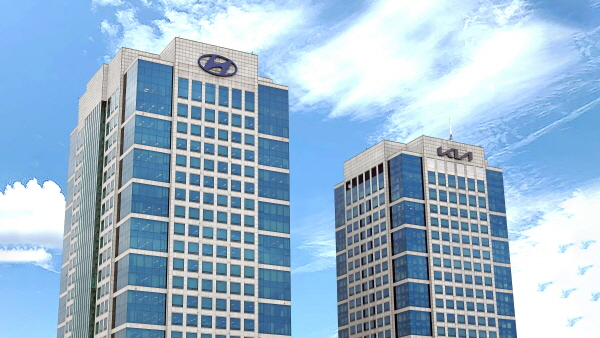
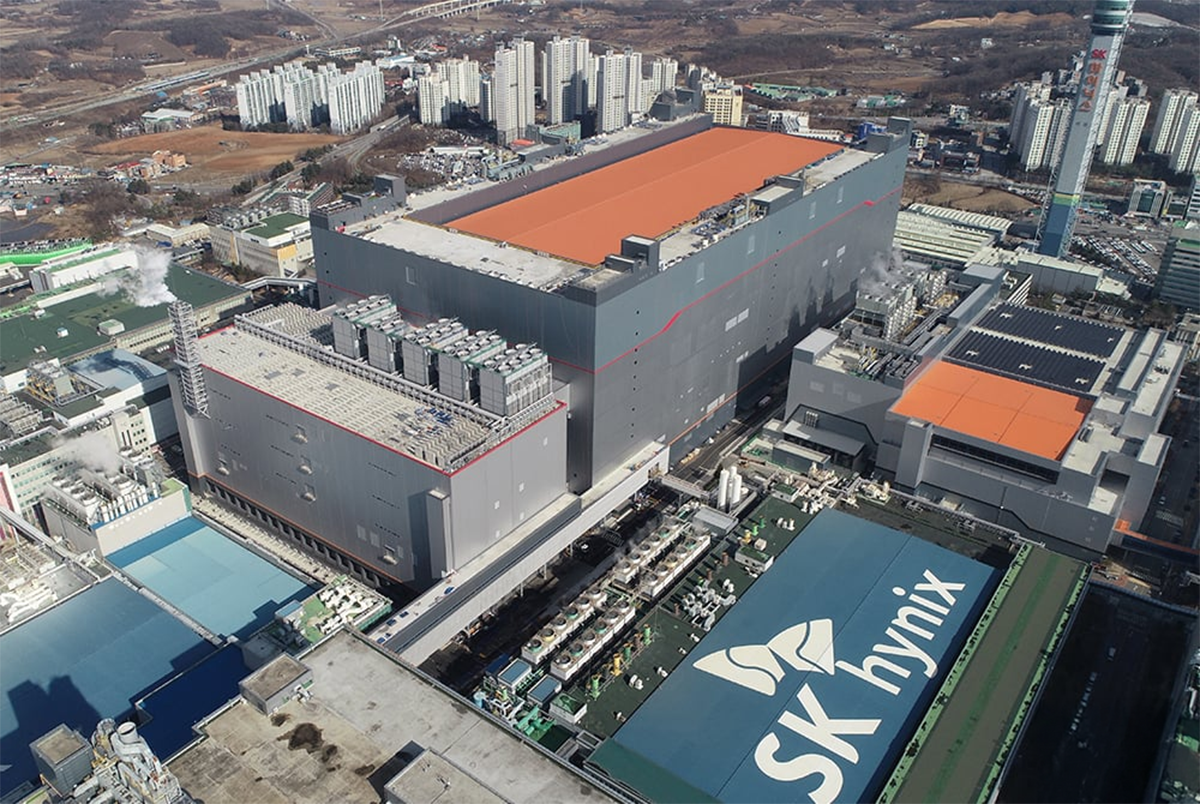
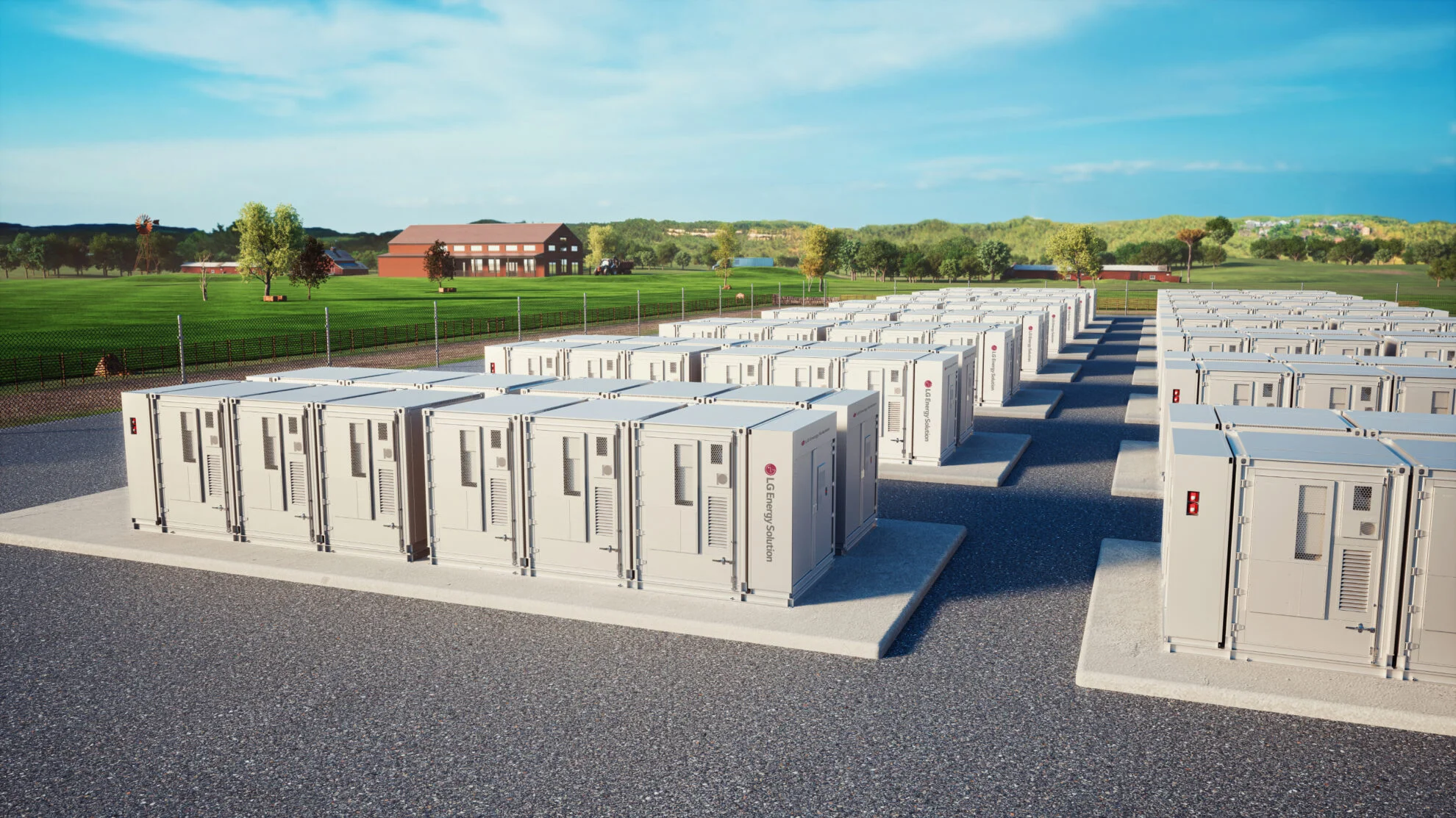
That distinction matters because South Korea is unusually exposed to the global industrial cycle. Its stock market is dominated by large exporters in semiconductors, automobiles, batteries and heavy manufacturing, making Korean equities sensitive to changes in global demand and technology spending. Samsung Electronics is one of the world’s largest memory chip makers, while SK hynix has become a major supplier of high bandwidth memory used in AI servers. When international investors change their exposure to Korean stocks, they are also changing their exposure to some of the industries at the center of the global AI and manufacturing investment cycle.
The latest numbers show that investors are reducing that corporate risk without abandoning Korean assets altogether. Foreign investors sold more than $22 billion of South Korean listed shares in July, according to South Korea’s Financial Supervisory Service, extending a selling streak that began seven months earlier. During the same month, they made $1.6 billion of net investments in Korean listed bonds, marking a fourth consecutive month of bond inflows.
The data does not identify a single reason for the divergence. But the composition is important. Stocks tie investors directly to company earnings and the global business cycle, while government bonds offer exposure to South Korea without the same dependence on corporate profits. The simultaneous stock selling and bond buying therefore points to a reallocation within the Korean market rather than a straightforward retreat from the country.
Foreign investors remain deeply embedded in South Korea’s stock market. At the end of July, they owned 35.8% of the market capitalization of listed Korean companies, with holdings valued at about $1.6 trillion. That large foreign presence means changes in overseas positioning can have significant consequences for Korean share prices and for companies that rely on international investors.
The geographic breakdown also complicates the idea of a broad foreign exodus. U.S. investors bought a net $2.5 billion of Korean shares in July, while Australian investors purchased about $1 billion. Investors from the United Kingdom, by contrast, sold a net $14 billion, and Singapore based investors sold $2.7 billion.
U.S. investors are particularly important to the Korean market. They held about $700 billion of Korean equities at the end of July, representing 43% of all foreign owned Korean shares. European investors accounted for another 30%.
That makes the Korean data relevant well beyond Seoul. American capital is already the largest foreign presence in the market, while many of the Korean companies being bought and sold sit inside supply chains used by U.S. technology, auto and manufacturing companies. A change in how global investors price Korean equities can therefore provide an additional signal about expectations for industries ranging from AI memory chips to automobiles.
The bond market, meanwhile, continued attracting foreign money. Overseas investors held about $1.8 trillion of Korean listed bonds at the end of July, equivalent to 11.7% of the market. They made $1.8 billion of net investments in government bonds during the month while withdrawing about $140 million from special bonds.
Foreign investors also added $3.7 billion to bonds with one to five years remaining to maturity and another $2.2 billion to securities with maturities of more than five years.
The July figures therefore tell a more complicated story than foreigners simply losing interest in South Korea. Global investors are cutting exposure to the earnings and market risks carried by Korean companies while continuing to commit money to Korean debt. In an economy whose largest companies are closely tied to the global technology and manufacturing cycle, the split offers a useful view of where international capital is willing to take risk and where it is becoming more cautious.