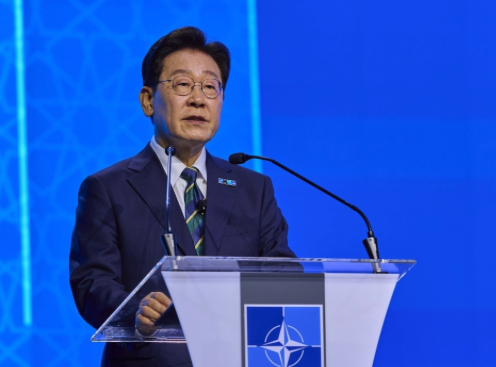
South Korea’s semiconductor industry is becoming an increasingly important piece of the U.S. effort to reshape global chip supply chains, creating potential opportunities and risks for American chip makers and investors as Seoul weighs new industrial projects and closer coordination with Washington. President Lee Jae Myung’s dinner with SK Group Chairman Chey Tae-won on August 20 brought those issues into sharper focus.
The meeting, which was not officially confirmed by the presidential office, is believed to have included discussions about three major industrial projects being promoted by the government, including a proposed semiconductor cluster in South Korea’s southwestern Honam region.
For U.S. companies and investors, the more consequential question is whether South Korean companies could direct additional capital toward semiconductor projects in the U.S. as part of a broader investment package under discussion between Washington and Seoul. Such investments could affect the allocation of chip-making capacity, technology and capital across the global supply chain.
The meeting came amid reports that the U.S. has been seeking semiconductor-related investment from South Korea as part of Seoul’s planned projects in America. South Korean officials have not publicly confirmed such a request.
South Korean Industry Minister Kim Jung-kwan, who returned from Washington on August 20, said he had not discussed semiconductors with U.S. Commerce Secretary Howard Lutnick during his trip. Speaking to reporters at the airport, Mr. Kim said the semiconductor industry did not come up in his discussions with the U.S. commerce chief.
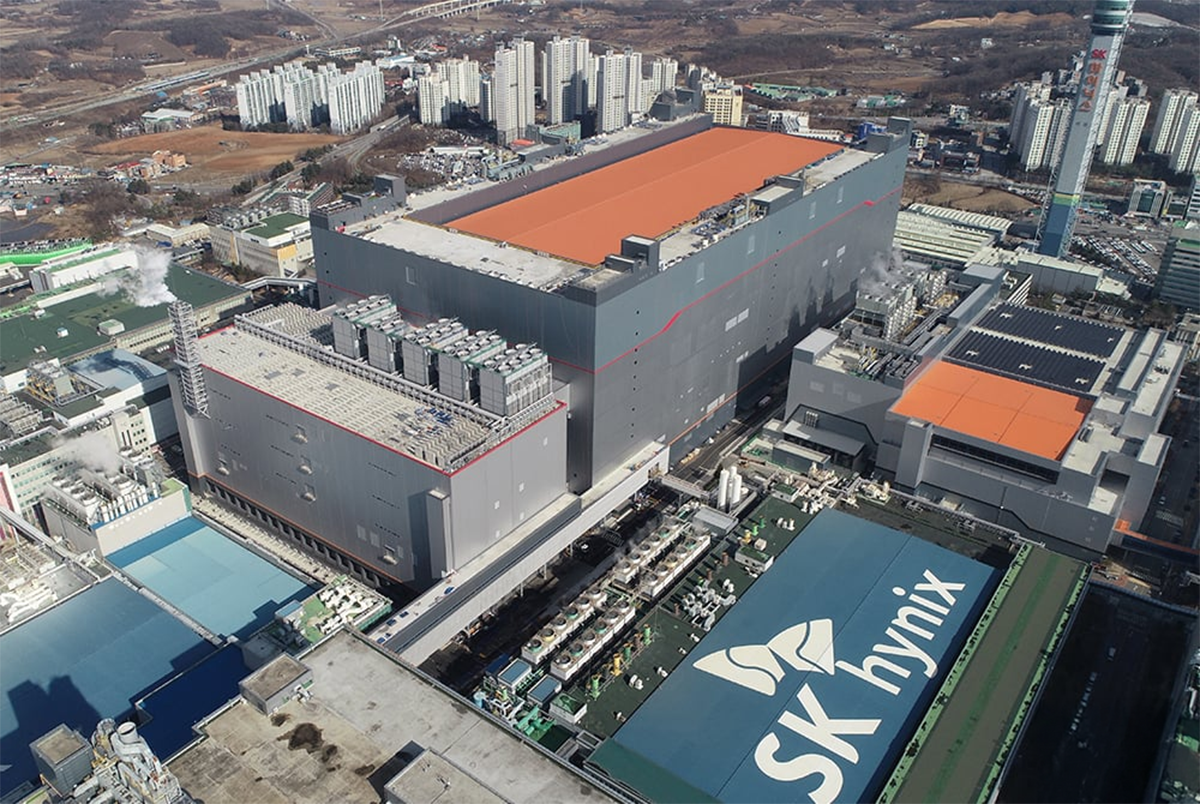
Still, the issue carries significance because SK Group is a major global semiconductor player through SK Hynix, one of the world’s largest memory-chip manufacturers. Decisions on where the company and its affiliates invest could influence global memory-chip capacity and the supply chains supporting artificial intelligence infrastructure.
Mr. Lee’s meeting with Mr. Chey came about a month after the two met at an artificial-intelligence summit in San Francisco. The renewed contact reflects Seoul’s effort to work more closely with major business groups as the government pursues large-scale investments in strategic industries.
The administration is also expected to maintain contact with other major corporate leaders, including Samsung Electronics Chairman Lee Jae-yong and LG Group Chairman Koo Kwang-mo, according to political observers.
The presidential office declined to confirm the dinner, saying it doesn’t comment on private or undisclosed schedules.
The limited official information makes it unclear whether semiconductor investment in the U.S. was actually discussed. But the timing highlights a broader shift in South Korea’s industrial policy: decisions by its biggest companies are increasingly being shaped not only by domestic economic priorities but also by U.S. trade policy, supply-chain security and the race to build capacity for artificial intelligence.
For American investors, that could make South Korean semiconductor capital spending an increasingly important indicator of where the next wave of global chip investment will occur.