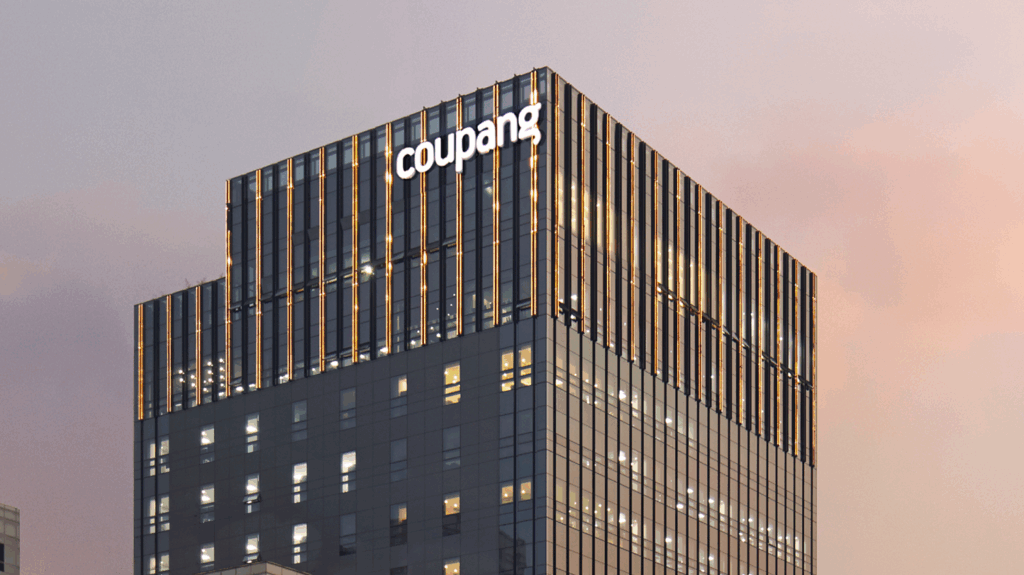
Coupang Inc. spent years adapting Amazon’s retail playbook to South Korea. The New York listed company built its own warehouses and delivery network, paired fast shipping with a paid membership program and invested ahead of demand to make online shopping more convenient than a trip to the store.
That approach helped Coupang, a South Korean e commerce and logistics company, become one of the country’s most widely used shopping platforms. It also created a business that works best when a large and growing stream of orders keeps its fulfillment centers and delivery routes operating at high capacity.
A customer data breach has now put that model under its most serious financial strain.
Coupang reported an operating loss of $835 million for the first half of the year, roughly equal to the operating profit it had generated over the previous two years. The loss was the largest since the company went public in New York in 2021.
The company’s sudden reversal did not begin with a collapse in sales. Second quarter revenue rose 11.1 percent from a year earlier to $9.3 billion. The problem was that regulatory penalties, customer compensation and weaker utilization of Coupang’s logistics network consumed the benefits of that growth.
Coupang became prominent in South Korea through Rocket Delivery, its signature shipping service, and Rocket Fresh, its grocery delivery operation. In South Korea’s compact and highly urbanized consumer market, the company made next day delivery a routine part of household shopping rather than an occasional premium service.
That convenience was supported by expensive infrastructure. Instead of depending entirely on outside sellers and delivery companies, Coupang built fulfillment centers, secured inventory and operated much of the delivery process itself. The strategy gave Coupang greater control over speed and service, while making it harder for smaller competitors to match its customer experience.
The same structure became a liability after the data breach disrupted expected demand.
Some customers left or reduced their use of the platform following the exposure of personal information. Coupang responded with compensation and promotions intended to bring them back, but the warehouses, delivery capacity and other operating resources built for stronger demand remained in place.
South Korea’s Personal Information Protection Commission, the national agency responsible for enforcing privacy rules, imposed about $440 million in penalties and related charges. Coupang also began recognizing costs associated with approximately $1.1 billion in customer vouchers.
Those expenses explain much of the company’s record loss, but they do not explain all of it. Profitability also weakened inside Coupang’s main retail operation.
The adjusted EBITDA margin for Product Commerce, the division that includes Rocket Delivery and Rocket Fresh, fell to 5.1 percent from 9 percent a year earlier. Coupang said actual sales came in below the level anticipated when it planned its logistics capacity, while promotional spending increased as the company tried to restore customer activity.
The result illustrates the risk built into the company’s version of the Amazon model. Investing before demand arrives can support rapid growth when order volumes rise as expected. When demand is interrupted, however, warehouses and delivery operations continue producing costs even if fewer purchases move through the network.
Customer activity is beginning to recover. The number of active Product Commerce customers increased from 23.9 million in the first quarter to 24.7 million in the second quarter. Average spending per active customer rose from $310 to $320.
Coupang Chief Financial Officer Gaurav Anand said the margin pressure was temporary and did not reflect a structural change in the business. The company expects profitability in its core operation to begin improving next year as customers return and logistics utilization recovers.
Coupang still faces several costs that could slow that improvement.
A fire at a logistics center in Incheon is expected to produce losses of about $245 million from damaged inventory, fixed assets and compensation for goods owned by outside sellers. Coupang intends to seek insurance payments, but said additional expenses could emerge.
Coupang Fulfillment Services, the Korean subsidiary that operates much of the company’s logistics network, has also received a notice for approximately $210 million in additional taxes following an audit.
South Korea’s Fair Trade Commission, the country’s competition regulator, is separately reviewing business practices involving Coupang Eats, the group’s food delivery platform. The cases concern its dealings with restaurants and the connection between the delivery service and Coupang’s paid Wow membership. Class action lawsuits filed in the United States could add further legal costs.
Coupang founder and board chairman Bom Kim said the company’s dependence on logistics utilization and economies of scale normally supports double digit growth, but can also make the financial impact of sudden disruptions more severe.
That tradeoff now defines Coupang’s position.
The company rose in South Korea because its warehouses and delivery network allowed it to offer a level of speed and convenience that changed consumer expectations. Its current crisis began when a data breach weakened customer trust while the costs of maintaining that network remained.
The question is no longer whether South Korean consumers value fast delivery. Their return to the platform suggests they do. The question is whether Coupang can restore full use of its logistics system quickly enough to prevent a temporary loss of trust from becoming a longer term profitability problem.