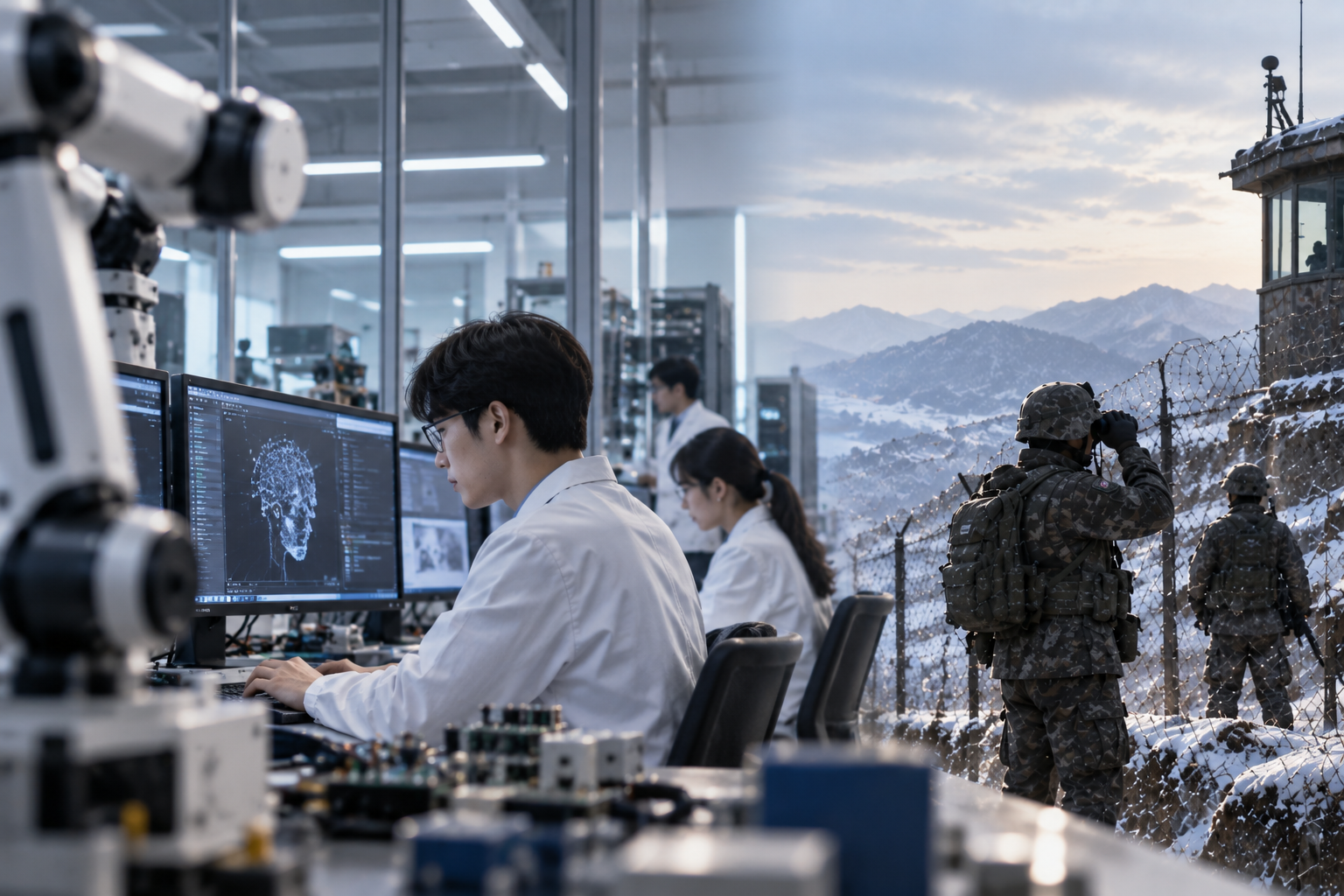
SK Group Chairman Chey Tae-won warned that soaring artificial intelligence demand is creating a severe global shortage of memory semiconductors, saying companies and governments are facing intense pressure to secure chip supplies as demand far outpaces new production capacity.
Speaking during a press briefing at the Korea Chamber of Commerce and Industry’s Jeju Forum on July 20, Chey said AI-related memory demand could rise 60% to 100% next year from this year’s levels, while overall semiconductor demand could increase by more than 50% to 60%.
“Demand is rising at an extraordinary pace, but there is almost no additional supply expected next year,” Chey said. “The gap between supply and demand will inevitably become much wider than it is today.”
Chey, who also chairs the Korea Chamber of Commerce and Industry, said the semiconductor supply shortage has become a national security issue, with governments increasingly involved in efforts to secure memory chips needed to keep industries running.
“This is no longer only a matter for companies,” Chey said. “Governments could soon face pressure from other countries as well.”
His comments came after U.S. Commerce Secretary Howard Lutnick recently urged South Korean semiconductor companies to expand investment in the U.S. Chey said the request was expected.
“He has been saying the same thing consistently. It is not surprising,” Chey said.
Chey called for rapid expansion of semiconductor production capacity across multiple regions, saying South Korea’s industry must prioritize speed and scale.
“We need to increase capacity as quickly as possible,” he said. “The scale must also be large. The current situation requires building wherever we can.”
He said South Korean companies should consider investments not only in domestic regions such as Honam but also in the U.S. and other international markets.
“Finding the locations where we can build the fastest and largest facilities around the world has become a lifeline for Korea’s semiconductor industry,” Chey said.
Expanding Supply Could Prevent Market Overheating
Chey pushed back against concerns that expanding chip production capacity could bring an early end to the semiconductor supercycle, saying additional supply would help restore market balance.
“Current prices are abnormal and need to decline,” Chey said. “If prices continue rising and chip inflation becomes more severe, the industry will inevitably face a backlash.”
He argued that lower chip prices would not necessarily hurt profitability.
“Even if supply increases and prices fall, companies can still make money,” Chey said. “The semiconductor industry can only continue to grow by protecting and expanding the market.”
AI Industry Still Needs Time to Become Self-Sustaining
Chey said the AI industry remains in an early stage and needs more time before it becomes fully self-sustaining.
“Right now, money is being invested into building infrastructure, but the output has not yet arrived,” he said. “Once the cycle begins turning, AI will create its own ecosystem.”
He compared current AI technology to a young child that still requires development and experience.
“Today’s AI is like a four-year-old. We cannot expect perfection,” Chey said. “Even if it eventually becomes artificial general intelligence, it will still need experience.”
$1 Trillion AI Data Center Expansion Faces Few Obstacles
Chey expressed confidence that South Korea’s planned $1 trillion AI data center initiative will not face major challenges in securing customers, financing, equipment or power supplies.
“Building a data center means there are already customers,” Chey said. “A project only begins when long-term contracts, typically between five and 15 years, are secured as part of financing conditions.”
He said construction moves forward only after customers, equipment suppliers, land and electricity resources are all aligned.
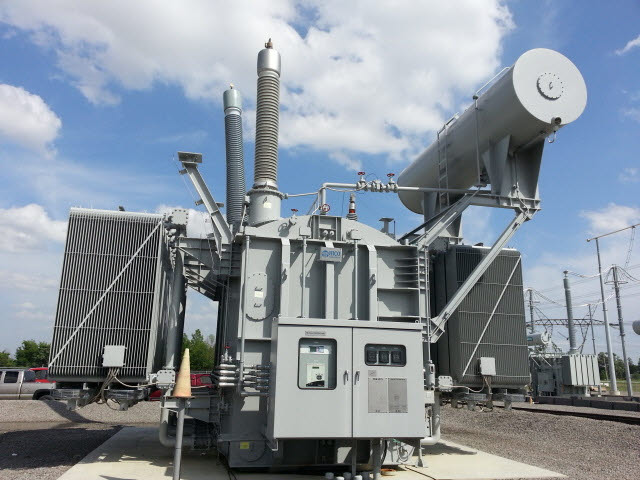
Chey described the project as “almost the first step toward an electrified society,” warning that the expansion of AI infrastructure will require massive amounts of electricity.
“Calculating the total amount of data centers that need to be built every year shows that the required power demand will be enormous,” he said.
He said the transition away from fossil fuels has become unavoidable as countries seek to address climate change.
“The costs will be extremely high, but this is a challenge we cannot avoid,” Chey said. “Governments also appear to recognize that renewable energy alone will not be enough.”
He added that all forms of stable power generation, including nuclear energy, should be considered to support the coming AI-driven electricity demand.